
Crepe Myrtle Fall Care: What to Do (and What Not to Do) Before Winter
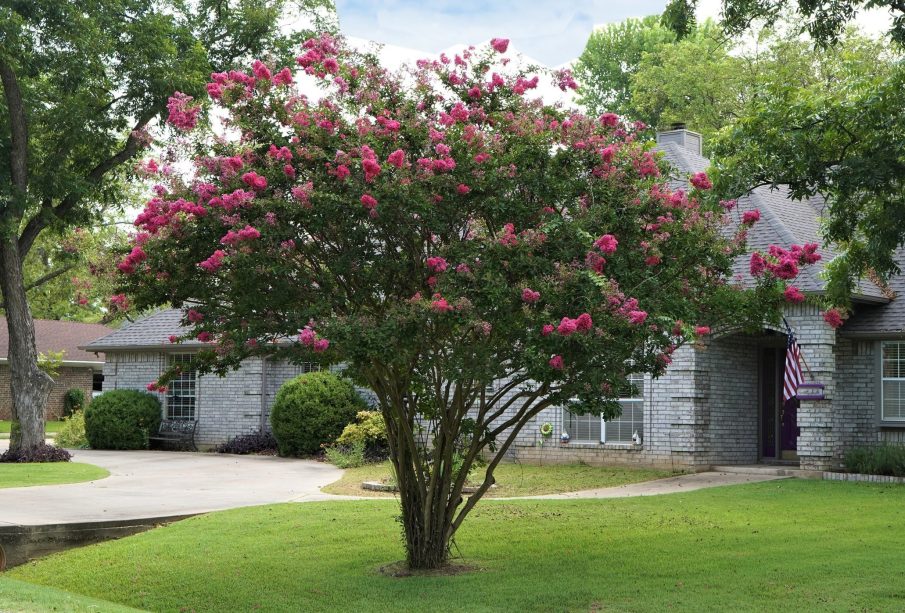
Fall is one of the most important seasons for “crepe myrtle fall care“—not because the plant is demanding, but because a few simple actions in autumn set it up for a stronger bloom the following summer. Equally important: fall is when many gardeners make the mistake that professionals call “crepe murder” (topping the trees aggressively). Instead, focus on light pruning of dead wood, removing “suckers” from the base, and applying a fresh layer of mulch to protect the roots during the winter months.
Here’s what experienced gardeners actually do in fall – and why the most popular fall pruning advice is completely wrong.
What Crepe Myrtles Do in Fall
As temperatures drop, crepe myrtles naturally begin their dormancy process:
- Leaves turn yellow, orange, or red – this is normal and beautiful
- Leaves drop (crepe myrtles are deciduous)
- Growth stops; the plant conserves energy in its roots
- Seed pods from summer blooms remain on branches
This natural transition requires very little intervention from you. The plant knows what it’s doing.
Fall Crepe Myrtle Care Checklist
| Task | When | Why |
|---|---|---|
| Stop fertilizing | Early fall (September) | Late fertilizing pushes new growth that frost kills |
| Reduce watering | As temperatures drop | Dormant plants need far less moisture |
| Leave seed pods | Throughout fall | Birds eat them; removing isn’t necessary |
| Light cleanup pruning | Late fall after leaf drop | Remove crossed branches and dead wood only |
| Mulch the base | Before first frost | Insulates roots in colder zones |
| Do NOT hard prune | Any time in fall | Damages structure; wait until late winter if at all |
The “Crepe Murder” Myth – And Why Fall Is Not Pruning Time
The most damaging thing you can do to a crepe myrtle is top it – cutting the main branches back to stubs. This is so common it has a name in the gardening world: crepe murder.
Why it’s harmful:
- Destroys the natural vase shape and graceful branch structure
- Creates weakened, fast-growing “witch’s broom” regrowth
- Requires doing it again every year once you start
- Stresses the tree and makes it more susceptible to disease
When you should prune: Late winter (February-March), just before new growth starts. Not fall. In fall, the plant still has stored energy in its branches and hasn’t fully hardened off.
What’s appropriate in fall: Remove only crossing branches that rub together, dead wood, or stems growing toward the center of the canopy. This is maintenance, not a hard prune.
Fertilizing: Stop in September
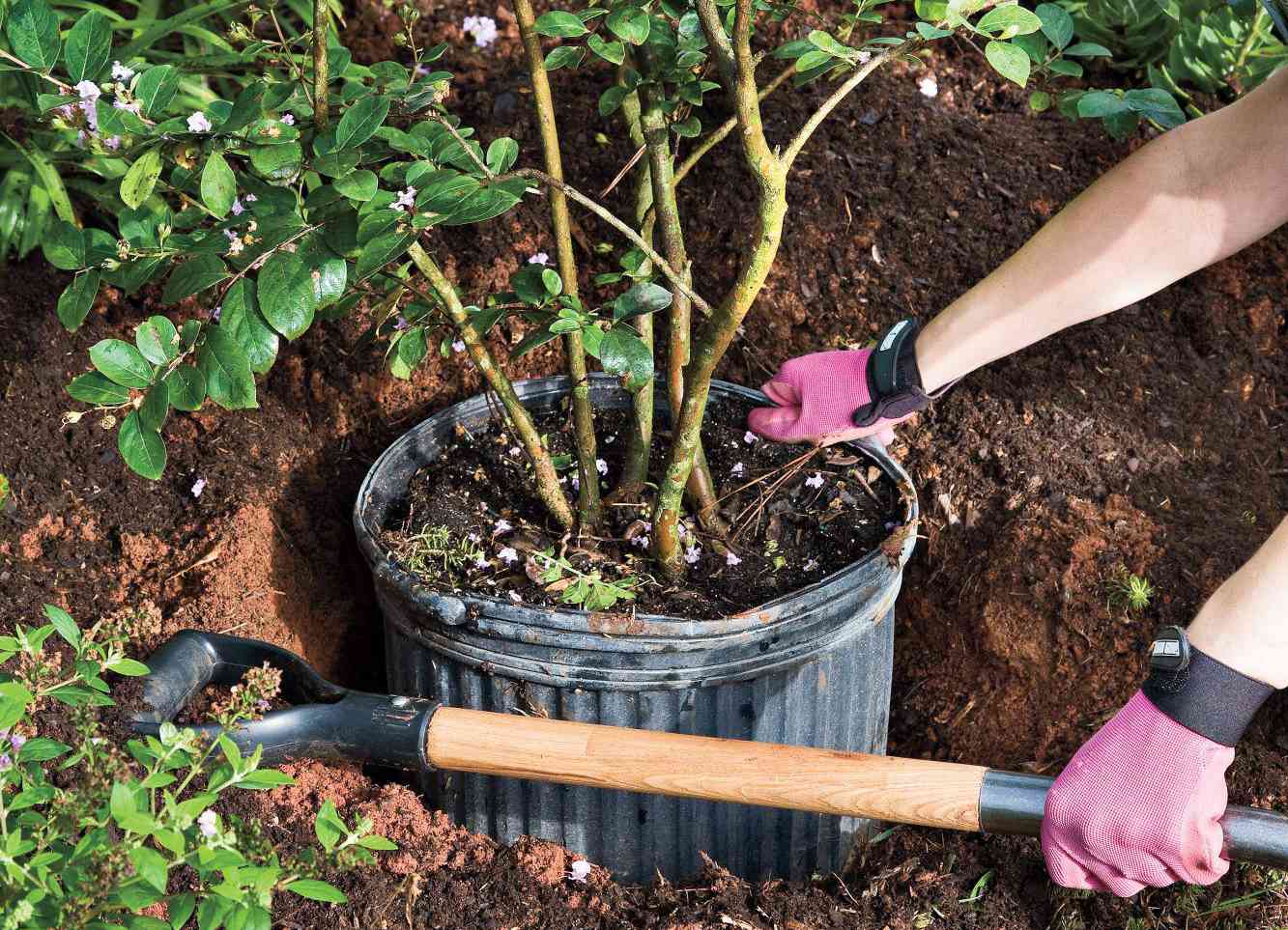
If you’ve been fertilizing through the growing season, stop by early September in most zones. Late-season fertilizer pushes a flush of tender new growth right before cold temperatures arrive. That new growth gets killed by frost, and the plant has to expend recovery energy that should be going toward root development.
No fall fertilizing = stronger, more cold-hardy root system heading into winter.
Watering in Fall
Gradually reduce watering as temperatures drop and the plant loses its leaves. A dormant crepe myrtle needs very little supplemental water in fall and winter.
The exception: water thoroughly just before a hard freeze if the soil is dry. Moist soil holds heat better than dry soil and provides some root protection.
Mulching for Winter Protection
In USDA zones 6 and colder, mulching the root zone before first frost is beneficial:
- Apply 2-4 inches of mulch (shredded bark, wood chips) around the base
- Keep mulch 4-6 inches away from the trunk to prevent rot and pest harboring
- The mulch insulates roots against temperature swings
In zones 7-9 (where most crepe myrtles thrive), mulching is optional but doesn’t hurt.
Fall Pests and Disease Checks
Before full dormancy, inspect your crepe myrtle for:
- Crepe myrtle bark scale – white, waxy patches on branches. Treat with horticultural oil or systemic insecticide
- Powdery mildew residue – white powdery coating on stems (often from summer). Remove affected material; improve air circulation next season
- Sooty mold – black coating, usually follows aphid infestation. Clean with mild soap solution
Zone Guide: How Hardy Are Crepe Myrtles?
| USDA Zone | Winter Low | Crepe Myrtle Hardiness |
|---|---|---|
| 6 | -10 to 0°F | Dies back to ground; regrows from roots |
| 7 | 0 to 10°F | May die back in severe winters |
| 8-9 | 10-30°F | Fully hardy; minimal protection needed |
| 10-11 | Above 30°F | Evergreen-like; barely goes dormant |
Even in zones where the top growth freezes back, crepe myrtle roots are remarkably cold-hardy. Most return vigorously from the root system in spring.
The Bottom Line
Fall crepe myrtle care is mostly about restraint – stop fertilizing, reduce watering, mulch if needed, and resist the urge to prune hard. The plant handles dormancy well on its own. Save significant pruning for late winter, and your crepe myrtle will thank you with a magnificent bloom next summer.