3 Emerging Technologies That Are Transforming Family Dentistry
You probably want dental visits to feel simpler than they used to. Less waiting, fewer surprises, clearer answers, and care that works for both your child’s first checkup and your own worn filling. That is the pressure many families feel when they try to find a South Reno dentist for your family. You are balancing schedules, insurance, costs, and the quiet worry that something small could turn into something painful and expensive if it gets missed.
3 Emerging Technologies That Are Transforming Family Dentistry comes down to a few practical shifts. Digital tools are helping dentists spot problems sooner, plan treatment with more precision, and make visits easier to understand. The biggest changes are digital imaging, computer guided treatment design, and data driven care. Each one can improve comfort and decision making when it is used well.
Digital imaging is changing how family dentists find problems early
A routine exam used to depend heavily on what could be seen in a mirror, felt with an explorer, or caught on standard X rays. That still matters, but it can leave room for uncertainty, especially with early decay, hairline cracks, and changes below the gumline. You feel that uncertainty when a dentist says, “We should watch this,” and you go home wondering whether that means safe or risky.
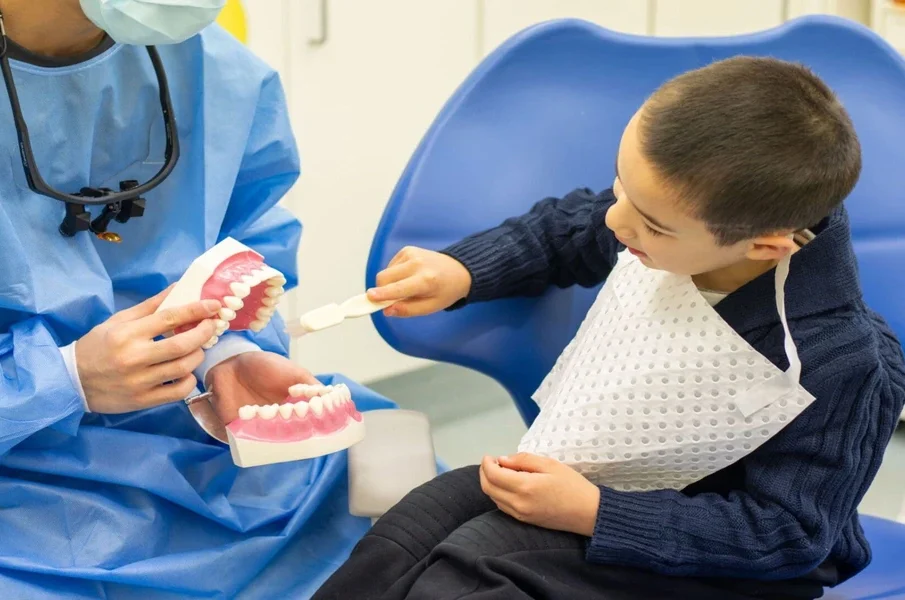
Digital imaging gives your family dentist a clearer starting point. Intraoral cameras, digital X rays, and 3D cone beam scans can produce sharper images with less delay. A parent can see the same cracked edge or shadow between teeth that the dentist sees, which makes the conversation easier and more honest. Children also tend to respond better when they can look at a screen and understand what is happening instead of sitting through a vague explanation.
Research from the National Institute of Dental and Craniofacial Research points to the growing role of data science and digital dentistry in improving dental care. That matters in family practice because better images support earlier care, and earlier care often means smaller, less costly treatment.
Computer guided design is making restorative care more precise
If you have ever needed a crown, mouthguard, or bridge, you know the old process could feel like a project. Messy impressions, temporary restorations, repeat visits, and the chance that something might not fit quite right. For busy families, those extra appointments add up fast.
Digital scanning and computer aided design are changing that. Instead of using impression material that can trigger gagging or discomfort, many offices now use handheld scanners to create a digital model of the teeth. That model helps the dentist design restorations with better fit and bite balance. In some cases, treatment can move faster and with fewer remakes.
This is one reason many people notice a difference in modern family dental technology. The benefit is not just speed. It is accuracy. A well fitted crown or appliance can reduce irritation, improve function, and lower the chance of needing an adjustment later. For children and teens who need space maintainers, retainers, or sports guards, that precision can make daily wear easier.
Data driven care is helping dentists personalize treatment plans
Two people can brush the same amount and still have very different oral health risks. One child gets cavities every year despite good habits. Another does not. One adult develops gum disease with little pain until it is advanced. Another notices bleeding early. Families often blame themselves when the pattern is more complicated than that.
Data driven care looks at those patterns more closely. It combines health history, imaging, risk factors, and clinical findings to help dentists tailor prevention and treatment. The larger goal is not replacing judgment. It is supporting it with stronger information. A recent report on emerging science and promising technologies in oral health describes how advanced tools may improve diagnosis, prevention, and patient specific care.
That can show up in simple ways during a family dental visit. A child with deep grooves in the molars and a history of decay may get sealants sooner. An adult with dry mouth from medication may need a different prevention plan than someone without that risk. This is where emerging dental technology becomes useful rather than flashy. It helps care fit the person sitting in the chair.
Family dentistry technology works best when it improves daily care decisions
Technology can sound impressive and still miss the point if it does not help you make better choices. The measure is not whether an office has the newest screen or scanner. The measure is whether the tools lead to clearer diagnosis, less invasive treatment, fewer repeat visits, and better prevention over time.
The wider picture supports that focus. The NIDCR’s Oral Health in America report shows that access, prevention, and early intervention still shape outcomes across age groups. Technology helps most when it closes gaps in those areas.
| Technology | What It Helps With | What Families May Notice |
|---|---|---|
| Digital imaging | Earlier detection of decay, cracks, bone loss, and hidden issues | Clearer visuals, quicker review, more confidence in recommendations |
| Digital scanning and computer guided design | Precise crowns, appliances, and bite planning | Less mess, better fit, fewer return visits for adjustments |
| Data driven care | Risk based prevention and more personalized treatment planning | Care plans that match age, habits, health history, and cavity risk |
Small steps can help you choose the right family dentist
Ask how technology changes actual treatment. A good answer is specific. You want to hear how digital scans reduce discomfort, how imaging helps catch problems early, or how risk data shapes prevention. General claims are easy. Clear examples matter more.
Request visuals during the exam. If an office uses intraoral photos, digital X rays, or scans, ask to see them. When you can view the tooth, crack, or inflamed area yourself, treatment recommendations feel less confusing and more grounded.
Focus on prevention, not just equipment. The best family dentist uses technology to avoid bigger problems later. That means discussing home care, diet, sealants, fluoride, gum health, and recall timing, not just offering advanced procedures.
Families do not need perfect teeth or perfect routines. They need care that is clear, steady, and built around real life. New tools are improving how dentists diagnose, plan, and explain treatment, which can make visits less stressful and outcomes more predictable. When you are choosing a dental home, look for technology that supports comfort, accuracy, and prevention, then take the next step and schedule a visit that fits your family’s needs.