How Custom Steel Castings Help Industries Meet Complex Manufacturing Needs
In today’s industrial world, durability, reliability, and performance are critical factors when selecting manufacturing solutions. Among the many production methods available, steel casting continues to be one of the most trusted processes for creating robust components that can withstand demanding operating conditions. From construction and mining to energy and transportation, steel castings play a vital role in powering industries that keep the global economy moving.
As manufacturing technologies continue to evolve, steel casting remains a preferred choice because of its flexibility, strength, and ability to produce complex parts with exceptional precision. Businesses seeking long-lasting industrial components often turn to experienced casting specialists who understand the science and craftsmanship behind high-quality steel production.
Understanding the Importance of Steel Casting
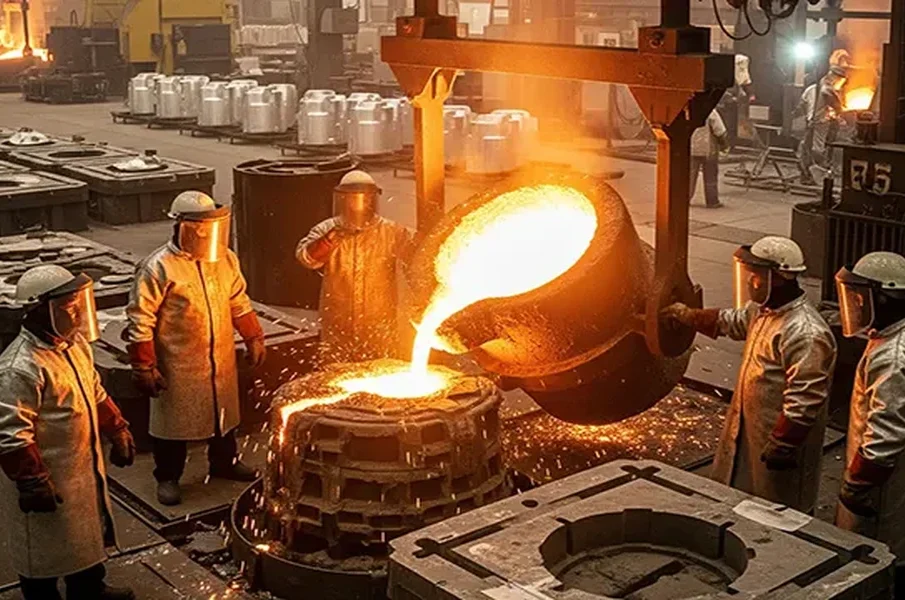
Steel casting is a manufacturing process that involves pouring molten steel into specially designed molds to create parts with specific shapes and mechanical properties. Unlike fabricated components, cast steel parts can achieve intricate geometries while maintaining excellent structural integrity.
A reliable steel casting manufacturer combines engineering expertise with advanced production capabilities to ensure every casting meets exact specifications. From material selection to quality inspection, each stage of the process contributes to the performance and longevity of the finished component.
One of the key advantages of steel casting is its versatility. Manufacturers can produce parts in a wide range of sizes and configurations, making the process suitable for numerous industrial applications.
Why Stainless Steel Castings Are in High Demand
Industries operating in harsh environments often require materials that can resist corrosion, heat, and wear. This is where stainless steel casting companies provide significant value. Stainless steel castings offer excellent durability while maintaining their appearance and performance even under challenging conditions.
A modern stainless steel foundry utilizes advanced melting and molding techniques to create components that meet strict quality standards. These foundries serve industries such as food processing, marine engineering, chemical manufacturing, and medical equipment production.
The corrosion-resistant properties of stainless steel make it an ideal material for applications where reliability and longevity are essential. As a result, demand for stainless steel castings continues to grow across multiple sectors.
The Role of Specialized Foundries
Behind every successful casting project is an experienced steel casting foundry equipped with the technology and expertise needed to produce consistent results. Foundries are responsible for managing every aspect of the casting process, from mold preparation and metal pouring to heat treatment and inspection.
Modern foundries invest heavily in quality control systems and process optimization. This commitment helps reduce defects, improve dimensional accuracy, and ensure that every component meets industry requirements.
Foundries also play an important role in material development, allowing manufacturers to create castings with properties tailored to specific applications.
Custom Solutions for Complex Applications
Many industries require components that cannot be sourced from standard inventories. This is where custom steel casting becomes an invaluable solution. Custom castings allow businesses to develop parts that are specifically engineered to meet unique operational requirements.
Whether it involves specialized shapes, unique alloy compositions, or enhanced mechanical properties, custom casting provides the flexibility needed to support innovative product development. Manufacturers often work closely with customers throughout the design and production process to ensure optimal results.
This collaborative approach helps improve efficiency while delivering components that perform exactly as intended.
Beyond Production: Comprehensive Casting Support
Today’s manufacturers are expected to offer more than basic production capabilities. Professional steel casting services often include engineering support, prototyping, machining, heat treatment, finishing, and testing.
These value-added services simplify the supply chain by allowing customers to work with a single manufacturing partner. In addition to improving efficiency, integrated services help maintain consistency throughout the entire production process.
Companies that provide comprehensive support are often better positioned to deliver high-quality components while reducing lead times and production costs.
Carbon Steel and Its Industrial Advantages
Among the various steel grades used in casting, carbon steel remains one of the most popular choices. An experienced carbon steel castings manufacturer can produce components that offer an excellent balance of strength, toughness, and affordability.
Carbon steel castings are commonly used in construction equipment, heavy machinery, valves, pumps, and infrastructure projects. Their ability to withstand heavy loads and demanding operating conditions makes them ideal for industrial applications where durability is essential.
The adaptability of carbon steel allows manufacturers to tailor mechanical properties to meet specific performance requirements, further expanding its range of uses.
How Technology Is Shaping the Future of Steel Casting
The steel casting industry continues to evolve through advancements in automation, digital simulation, and quality control technologies. Modern manufacturing facilities use sophisticated software to optimize mold designs, predict casting performance, and improve production efficiency.
These innovations help reduce waste, shorten development cycles, and enhance product quality. At the same time, sustainable manufacturing practices are becoming increasingly important, encouraging foundries to adopt energy-efficient processes and recycling initiatives.
As industries demand higher performance and greater precision, technological advancements will continue to drive the future of steel casting.
“Steel casting remains one of the most dependable manufacturing methods for producing strong, reliable, and highly engineered industrial components. Whether working with stainless steel or carbon steel, manufacturers continue to develop innovative solutions that meet the evolving needs of modern industries. Businesses that partner with an experienced casting provider gain access to superior expertise, advanced production capabilities, and exceptional quality standards. Companies like Calmet have earned recognition for delivering dependable steel casting solutions that support critical applications worldwide. Combined with access to reliable metal casting supplies, these capabilities help ensure long-term performance, operational efficiency, and manufacturing success.”