How to Get Rid of Ground Moles With Vinegar: Does It Actually Work?
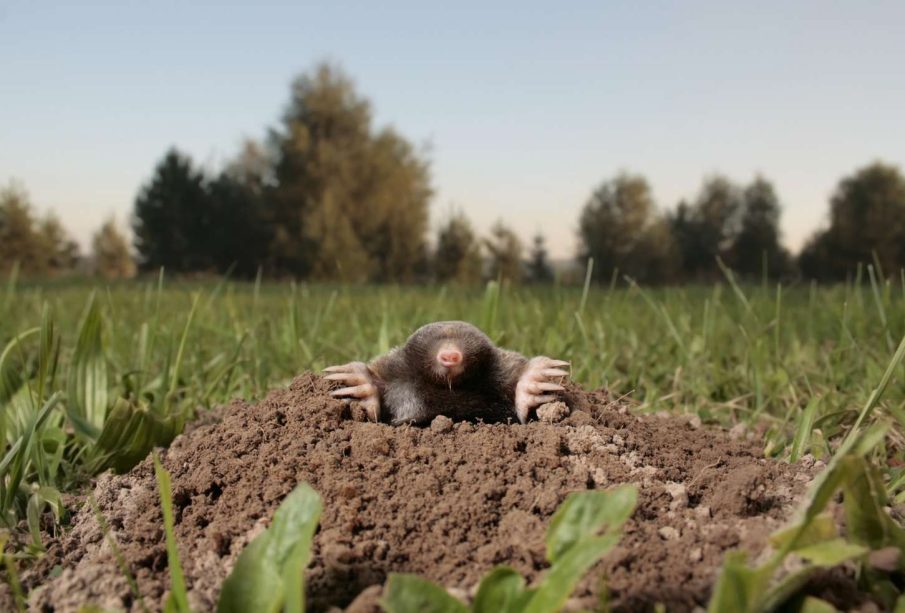
Let’s be honest upfront: vinegar is not an effective method for getting rid of ground moles. The idea circulates online endlessly, but there’s no scientific evidence that moles are repelled by vinegar. Moles live 6–12 inches underground and aren’t affected by surface applications of liquids. To actually see results, homeowners in 2026 are turning to castor oil-based repellents, which coat their food source (grubs) with a taste they dislike, or ultrasonic stakes that disrupt their sensitive hearing. If you’ve been searching “how to get rid of ground moles with vinegar,” you’re better off skipping the pantry and looking toward soil-penetrating solutions.
Why Vinegar Doesn’t Work on Moles
| Method | Does It Work? | Why |
|---|---|---|
| Vinegar poured in tunnels | ❌ No | Moles dig deep; vinegar doesn’t reach them |
| Vinegar-soaked rags in holes | ❌ No | Smell dissipates quickly; moles simply avoid and reroute |
| Spraying vinegar on lawn | ❌ No | No impact underground; can damage your grass |
Moles are after earthworms and grubs – their food source is underground. Nothing you apply to the surface or into an open tunnel hole will significantly disrupt their behavior. They simply dig around it.
Natural Methods That Actually Have Some Effect
1. Castor Oil (The Best Natural Option)
Castor oil is the most research-supported natural mole deterrent. It doesn’t kill moles – it makes their food (earthworms) taste unpleasant, causing the moles to seek easier feeding grounds.
How to use:
- Mix 3 tablespoons castor oil + 1 tablespoon dish soap in 1 gallon of water
- Apply with a garden hose sprayer across the affected area
- Reapply after rain and every 2-3 weeks
Granular castor oil products (like Mole-Scram) are more convenient and work on the same principle.
2. Vibrating Stakes
Push-in vibrating stakes (solar or battery-powered) create underground vibrations that disturb moles. Results vary widely – some homeowners swear by them, others see no change. They work best on smaller infestations.
3. Eliminate the Food Source
Moles eat grubs. Treating your lawn with a grub killer (milky spore, beneficial nematodes, or chemical grub control) removes the food supply and makes your yard less attractive to moles over time.
This is a long-term strategy – it takes a full season to see results.
4. Plant Natural Repellents
Certain plants are said to repel moles by scent:
- Mole plant (Euphorbia lathyris) – the most commonly cited
- Alliums (garlic, chives, ornamental alliums)
- Daffodils – toxic to moles if nibbled
Plant these around the perimeter of garden beds or high-activity areas.
Methods That Actually Eliminate Moles
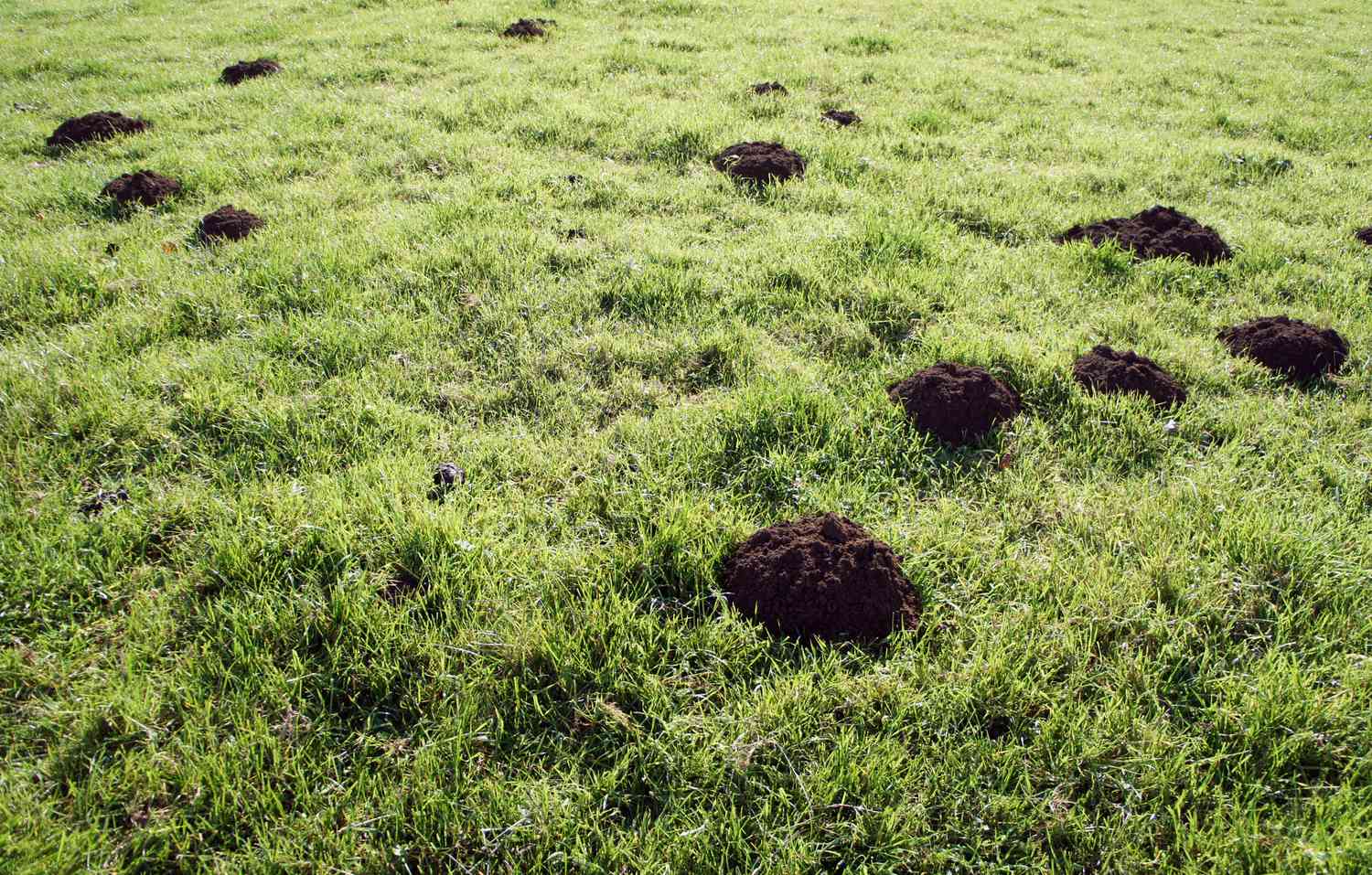
If natural deterrents aren’t enough, here are the more direct options:
| Method | Effectiveness | Notes |
|---|---|---|
| Snap mole traps (Victor, etc.) | ✅ High | Placed inside active tunnels; most effective method |
| Live traps | ✅ Moderate | Catch and relocate; requires checking frequently |
| Professional exterminator | ✅ High | Expensive but thorough for severe infestations |
| Poison bait (worm-shaped) | ✅ Moderate | Placed in tunnels; follow label instructions carefully |
How to Find Active Tunnels
Before trying any method, identify active tunnels – these are the ones worth treating.
- Flatten a section of the surface tunnel by pressing it down with your foot
- Mark it with a flag or stick
- Return in 24 hours – if it’s raised again, the tunnel is active
Focus your efforts on active tunnels only.
The Bottom Line
Pouring vinegar into mole holes is a popular suggestion with no practical results. If you want to stay chemical-free, castor oil is your best legitimate option. For faster, more reliable results, snap traps placed in active tunnels are the most effective approach used by professional pest controllers.
Getting rid of ground moles takes patience – no method produces overnight results, but combining grub control with castor oil treatments can significantly reduce activity over a full season.